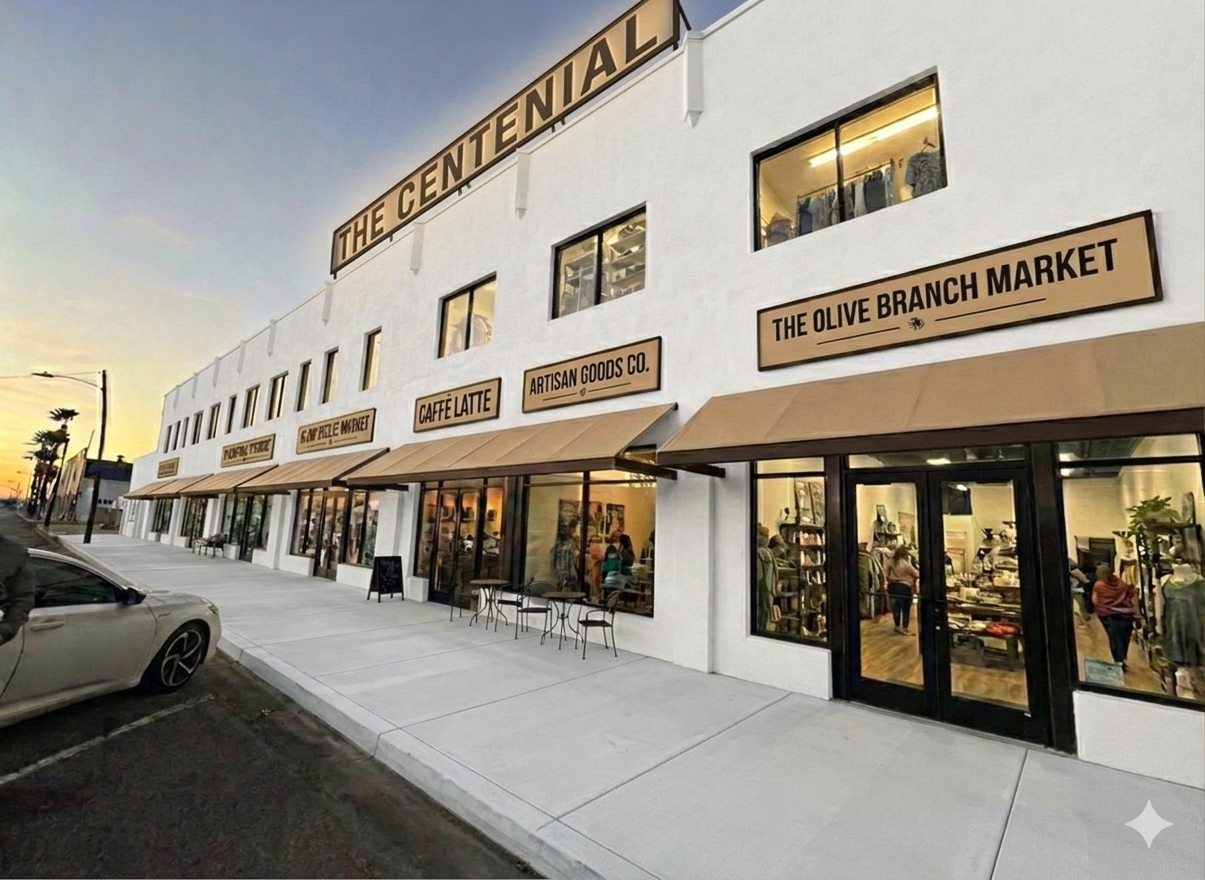
Navigating Commercial Real Estate in a Shifting Rate Environment
Interest rates have reshaped CRE underwriting, deal flow, and capital allocation. Here is how disciplined investors are finding opportunity in the current environment.

Navigating Commercial Real Estate in a Shifting Rate Environment
The commercial real estate market of 2026 looks meaningfully different from the one that existed three years ago. The era of near-zero interest rates — which inflated asset values, compressed cap rates, and made almost any deal pencil — is over. In its place is a market that rewards discipline, punishes leverage, and creates genuine opportunity for investors who know where to look.
Understanding how to navigate this environment is not just an academic exercise. It is the difference between deploying capital intelligently and making expensive mistakes.
What the Rate Reset Actually Did
When the Federal Reserve raised rates aggressively beginning in 2022, the immediate effect on commercial real estate was a repricing of risk. Assets that had traded at 4% cap rates in a 2% rate environment suddenly needed to trade at 5.5% or 6% to make sense for buyers — but sellers, anchored to the valuations they had seen at the peak, were reluctant to accept that reality.
The result was a transaction volume freeze. Bid-ask spreads widened, deal flow slowed, and a significant amount of capital sat on the sidelines waiting for clarity. That freeze has been thawing gradually, but the market has not fully cleared. There are still owners carrying assets at valuations that do not reflect current rate realities, and there are still lenders working through loan books that were underwritten in a different environment.
For buyers with capital and patience, that dislocation is an opportunity.
The Assets That Still Work
Not all commercial real estate is equally challenged in a higher-rate environment. Some asset classes and deal structures hold up better than others, and understanding the distinction is essential for intelligent capital allocation.
Short-duration leases with mark-to-market potential. In an inflationary environment, assets with shorter lease terms allow landlords to reset rents to market more frequently. Industrial properties with three-to-five year leases, for example, have seen significant rent growth as leases roll — which partially offsets the cap rate expansion driven by higher rates.
Value-add opportunities with clear execution paths. When you can buy an asset below replacement cost, add value through renovation or repositioning, and lease it at current market rents, the math can work even with higher financing costs. The key is having a clear, executable plan — not a speculative bet on cap rate compression.
All-cash or low-leverage acquisitions. The investors who are most active in the current market are those who are not dependent on debt to make deals work. All-cash buyers can underwrite to current yields without the drag of expensive financing, and they have a structural advantage over leveraged buyers in competitive situations.
Essential retail and medical office. Grocery-anchored retail, medical office, and other necessity-driven asset types have demonstrated resilience through the rate cycle. Tenants in these categories tend to have longer lease terms, stronger credit profiles, and lower default risk — all of which matter more when the cost of capital is higher.
Texas-Specific Dynamics
Texas commercial real estate has held up better than most markets through the rate cycle, for reasons that are structural rather than cyclical. Population growth, business relocation, and a diversified economy have kept occupancy levels elevated and rent growth positive across most asset classes and submarkets.
That does not mean Texas is immune to rate pressure. Development projects that were underwritten at lower construction costs and lower cap rates have faced challenges. Some assets that traded at peak valuations are now underwater on a mark-to-market basis. And lenders have become more selective about which Texas markets and asset types they will finance.
But the underlying demand fundamentals — job growth, population inflows, business formation — remain intact. That gives Texas commercial real estate a cushion that markets with weaker demand profiles do not have.
How We Are Thinking About It
At LOCAL Real Estate Group, the rate environment has reinforced rather than changed our core investment philosophy. We have always prioritized disciplined underwriting over aggressive leverage, long-term value creation over short-term yield optimization, and market relationships over purely transactional deal sourcing.
In practice, that means we are focused on:
- Acquiring assets at prices that reflect current rate realities, not peak-cycle valuations
- Developing in markets with genuine demand, where absorption risk is manageable even if the macro environment stays challenging
- Structuring deals conservatively, with debt coverage ratios and loan-to-value ratios that provide meaningful cushion against further rate volatility
- Staying close to our markets, so we can identify opportunities that are not yet visible to outside capital
The current environment is not easy. But it is honest. Assets are priced closer to their fundamental value than they were at the peak, and the investors who do the work — who understand their markets, underwrite carefully, and execute with discipline — will find that the opportunities are real.
The Bottom Line
Higher interest rates have not killed commercial real estate. They have reset it. The deals that get done today are getting done because they make sense at current prices and current rates — not because cheap capital made everything look attractive.
For investors with a long time horizon, genuine market knowledge, and the discipline to wait for the right opportunities, the current environment is one of the more interesting entry points we have seen in years. The question is not whether to invest in commercial real estate. It is where, at what price, and with what structure.
Want to discuss how the current rate environment affects your commercial real estate strategy in Texas? Reach out to LOCAL Real Estate Group — we are happy to share what we are seeing in the market.
Explore Topics
Written by
LOCAL Real Estate Group
Content creator and writer sharing insights and stories.